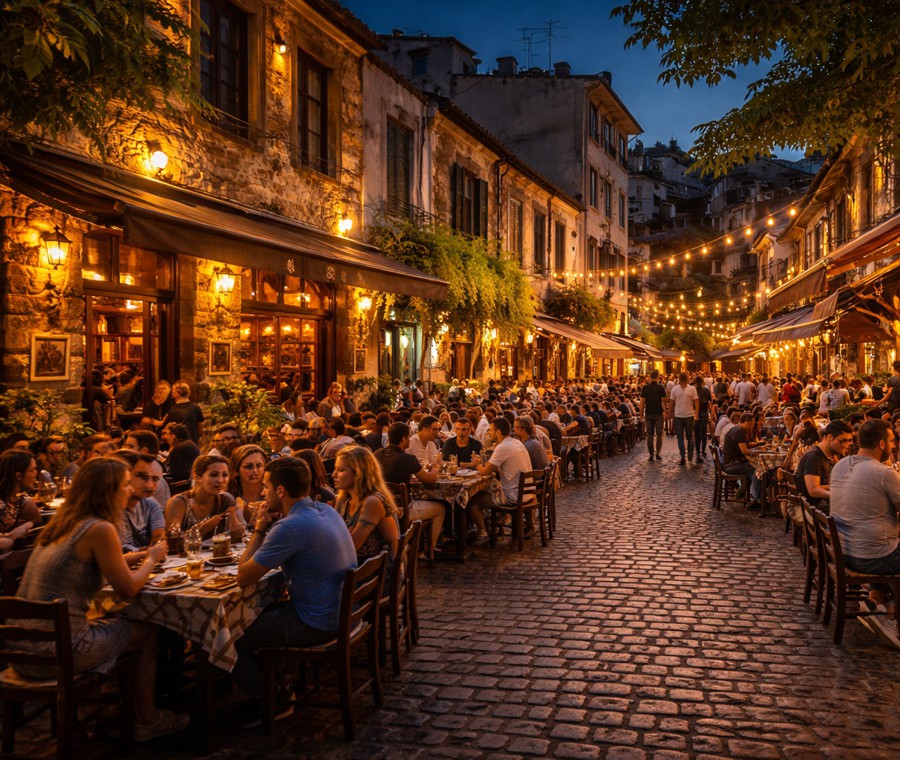
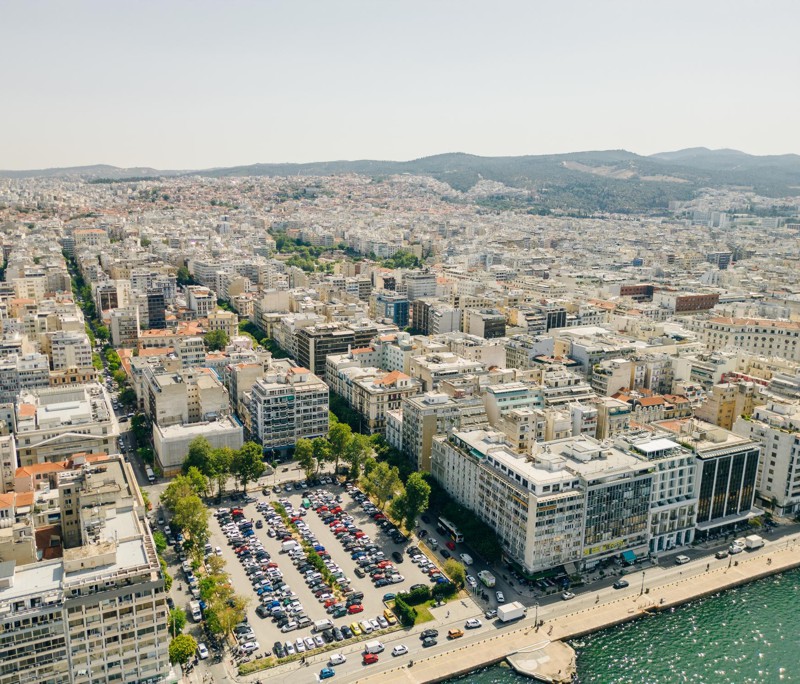
Thessaloniki rewards walkers. Greece’s second city stacks 2,300 years of history — Roman, Byzantine, Ottoman and Jewish — into a compact seafront centre, then wraps it in the best food culture in the country. Here are the best things to do in Thessaloniki, roughly in the order you can walk them, plus where to eat and how to plan a couple of unhurried days.
The landmarks you can’t miss
The White Tower & the waterfront
The 15th-century White Tower (Lefkos Pyrgos) is the city’s emblem. Inside is a smart museum of Thessaloniki’s history; climb the spiral ramp for a 360° view over the Thermaic Gulf — on a clear day you can see Mount Olympus. From the tower, stroll the Nea Paralia, the redesigned waterfront promenade that runs for kilometres past themed gardens and Zongolopoulos’s famous Umbrellas sculpture — the best spot in the city to watch the sun set over the water.
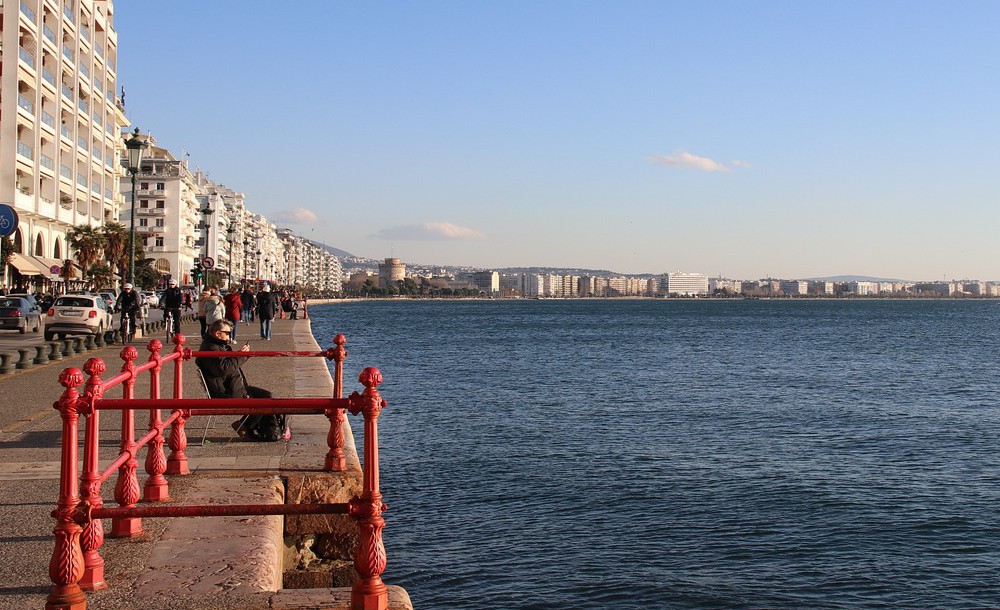
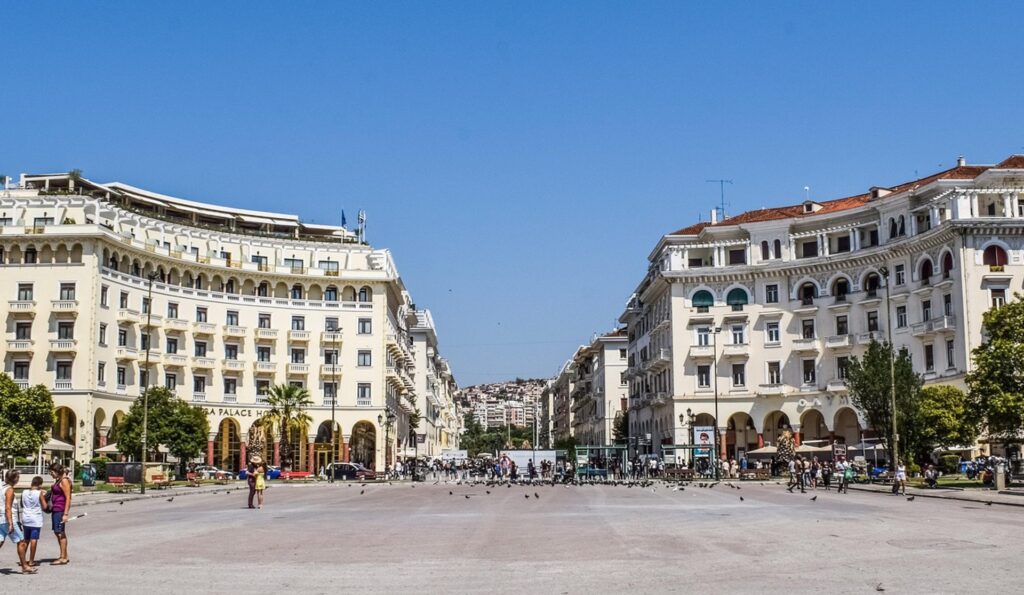
Aristotelous Square
The grand, arcaded Aristotelous Square opens straight onto the sea and is the city’s living room — coffee in the morning, people-watching in the evening. It anchors the central axis and is the natural starting point for a day on foot.
The Rotunda & Arch of Galerius (Kamara)
Built around 306 AD, the Rotunda is one of the oldest surviving monuments in the city — a vast Roman cylinder that has been a temple, a church and a mosque, and is now a UNESCO World Heritage Site with early-Christian mosaics. A few steps away stands the Arch of Galerius, known locally as Kamara, a triumphal arch carved with battle scenes and a favourite meeting point.
The Roman Forum (Ancient Agora)
Tucked in the upper centre, the open-air Roman Forum preserves a two-tier square and a small restored odeon, with a museum beneath the site. It is free to walk around and easy to fold into a centre stroll.
Agios Dimitrios & the Byzantine churches
The basilica of Agios Dimitrios, dedicated to the city’s patron saint, is part of Thessaloniki’s UNESCO-listed group of Palaeochristian and Byzantine monuments; do not miss the crypt below. Hagia Sophia, nearby, is another superb early church. Together they make the city one of the great open-air museums of Byzantium.
Ano Poli — the Upper Town
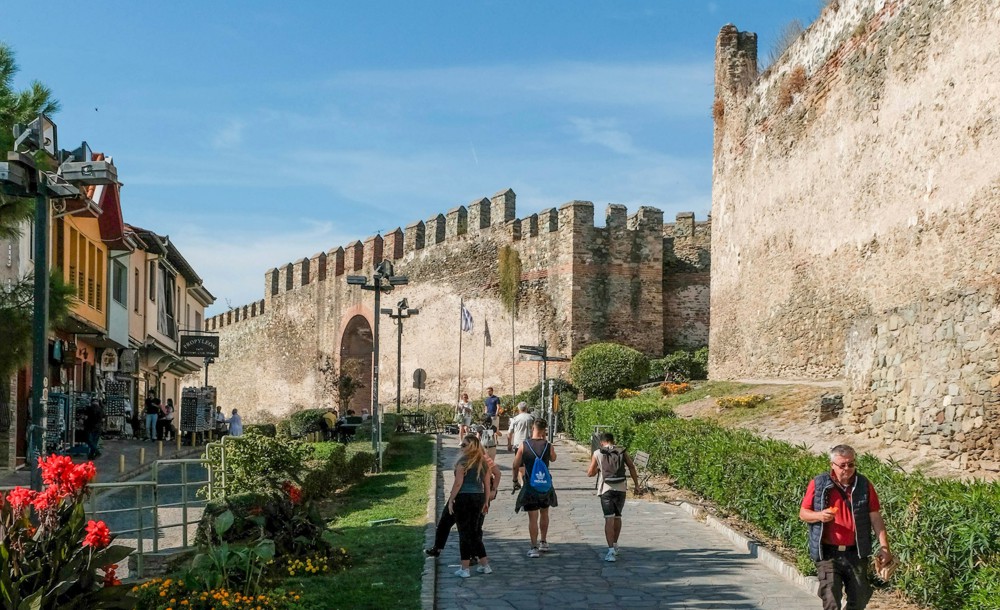
Climb (or grab a short taxi) to Ano Poli, the Ottoman-era quarter that escaped the 1917 fire. Wander the cobbled lanes and timber houses up to the Byzantine walls, the Trigonion Tower and the Heptapyrgion (Yedi Kule) fortress. This is the finest sunset viewpoint in Thessaloniki, with the whole city tumbling down to the gulf below.
Markets & the food scene
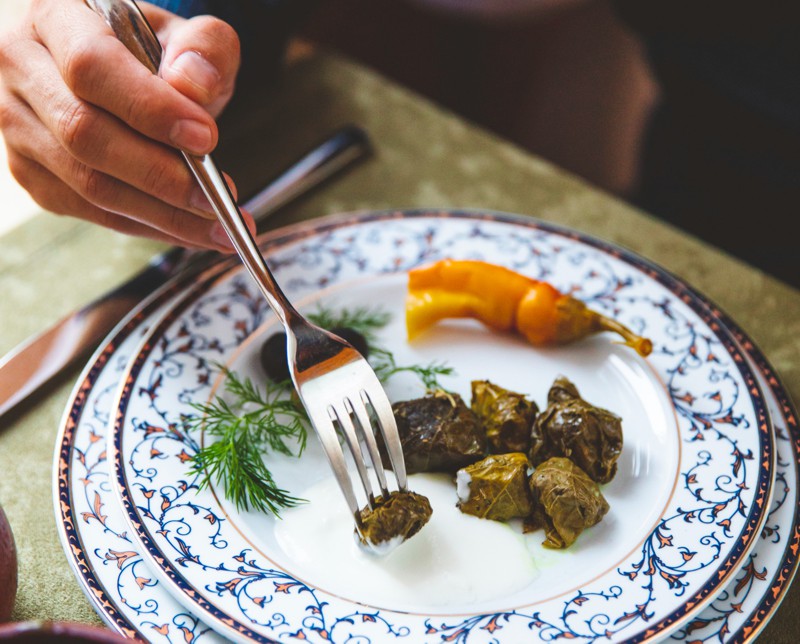
Thessaloniki is widely considered the food capital of Greece, and you taste it best in its markets. The restored, glass-roofed Modiano Market is now a buzzing food hall of mezze counters, delis and wine bars; the neighbouring open-air Kapani is the older, rawer bazaar of fish, spices and produce. Eat your way through both, then keep going:
- Bougatsa — flaky filo pastry with semolina cream or cheese, the classic breakfast
- Koulouri — the sesame bread ring sold from every street cart
- Mezedes with tsipouro or ouzo — the long, sociable way locals eat dinner, especially in Ladadika
- Trigona panoramatos — crisp custard-filled pastry horns, the city’s signature sweet
A couple of great museums
If the weather turns, the Archaeological Museum and the award-winning Museum of Byzantine Culture sit side by side near the White Tower and are both world-class. History buffs should also seek out the moving Jewish Museum, which tells the story of the city’s once-vast Sephardic community.
How many days do you need?
Two to three days is the sweet spot. A relaxed plan:
- Day 1: Aristotelous Square → Roman Forum → Rotunda & Kamara → markets for lunch → White Tower and a waterfront sunset
- Day 2: Agios Dimitrios and the Byzantine churches → Ano Poli for views → dinner and mezze in Ladadika
- Day 3 (optional): museums, the Umbrellas and the long promenade, or a day trip to the beaches of Halkidiki or ancient Pella and Vergina
Getting around
The centre is flat and made for walking — you will rarely need transport between sights. The new metro opened in 2024 and runs beneath the centre, though it is worth checking current service, as sections close periodically for testing and extension works. The airport is about 16 km out, around 30–45 minutes by taxi or express bus.
Where to base yourself
Almost everything above is within a 15-minute walk of Ladadika, which is exactly why it is the best place to stay for sightseeing. Loena Luxury Suites sits right in the quarter, a few minutes from Aristotelous Square — hotel-level comfort with the freedom of an apartment: a full kitchen, fast Wi-Fi, a smart TV and flexible self check-in, with regular housekeeping and 24/7 partner parking nearby. Guests rate it 4.8/5 across 600+ reviews (read them here), and you can add breakfast to your booking.
Check availability & book direct → · Questions? Message the team
Frequently asked questions
What is Thessaloniki best known for?
Its food, its waterfront and its layered history — Roman monuments like the Rotunda and Arch of Galerius, UNESCO-listed Byzantine churches, the White Tower, and a nightlife and mezze culture considered among the best in Greece.
Is Thessaloniki walkable for tourists?
Very. The historic centre is flat and compact, and most major sights are within a 15-minute walk of Aristotelous Square. You only really need transport for the airport or a day trip.
How many days do you need in Thessaloniki?
Two to three days covers the centre, the markets, the main monuments and Ano Poli at a relaxed pace, with time left for the food and nightlife.
What food should you try in Thessaloniki?
Bougatsa for breakfast, koulouri from a street cart, mezedes with tsipouro for dinner, and trigona panoramatos for dessert — ideally with a wander through Modiano and Kapani markets.
Stay in the heart of Thessaloniki. Browse the Loena luxury suites — serviced apartments in Ladadika, rated 4.8/5 by 600+ guests — then check availability and book direct.