Sofia city centre to Ladadika is 293 kilometres. A router puts the free-flow driving at three and three quarter hours. Allow four to five. The extra hour absorbs the stretch where the motorway stops, the run past Serres, and whatever the city is doing by the time you reach it. Bulgaria has been inside Schengen at its land borders since 1 January 2025, so Kulata to Promachonas has no systematic passport check and issues no stamp. Both countries sit in the same customs union, so there is no customs frontier either. A random police check still happens, and an EU national identity card answers it.
The gorge where the motorway stops
The A3, signed E79, runs south from Sofia through Blagoevgrad and carries you most of the way. It is not continuous. At the northern end of the Kresna gorge the motorway ends and traffic drops onto the old two-lane road through the gorge. It climbs back onto the motorway below Kresna and runs down through Sandanski to the border.
Work on the missing section is under way. Two dated sources give two finish dates two years apart, one of them a Bulgarian minister and one of them not first-hand, so there is no opening date worth planning a journey around. Take the gorge as the part of this drive where the motorway is not there to help.
Vignette, tolls and the last cheap tank
Bulgaria charges by e-vignette and the vignette is tied to the plate. Buy it on bgtoll.bg, in the app, or at a point of sale before you set off. Nothing goes on the windscreen. It is required on motorways and on first-class roads, so the old road through the gorge needs one as much as the A3 does.
Greece sells no vignette at all. It charges at barriers, one station at a time, and this route passes Promachonas and Strymoniko before joining the Egnatia for the short run west. Money itself is a non-event now, because Bulgaria adopted the euro on 1 January 2026 and a Bulgarian driver changes nothing at the border. Petrol is the one thing worth planning around. Greek pump prices sit well above Bulgarian ones and the gap on petrol is wide, so fill at Sandanski or at the Kulata service area and not after the crossing.
Winter, and the two things that close this road
From 15 November to 1 March Bulgarian law wants tyres suitable for winter conditions, or at least four millimetres of tread. Greece is conditional and asks for chains or winter tyres where the signs say so. The Struma valley holds fog and ice, and it holds them worst on the two-lane gorge section, where there is no second carriageway to spread the traffic out.
The other winter risk is not weather. Greek farmers blockade Promachonas in January and February. A 48-hour closure ran from midday on Friday 9 January 2026, hitting Evzoni, Doirani and Niki in the same round. Freight has usually been the target and cars have usually been let through, though the crossing has been shut outright in past years. Check the Greek and Bulgarian road authorities before you set off in those two months.
The last hour, and where the car goes
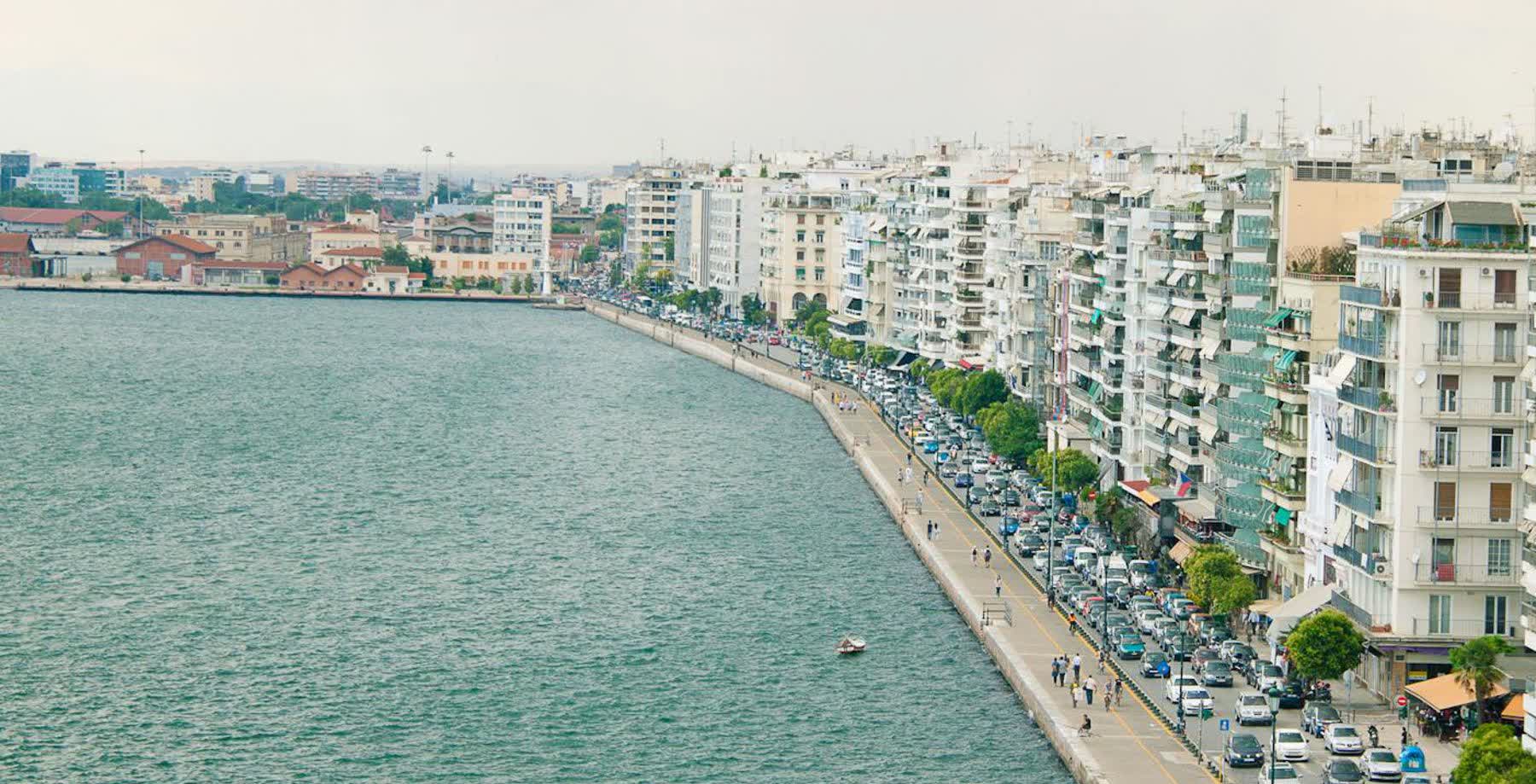
This is the one route of the three that arrives from the east. The vertical axis down from Promachonas meets the Egnatia, and you follow it west into Thessaloniki and down towards the water. Watch the numbering. The signs call the vertical axis A25 while some satnavs still carry an older tag for the same road, so the two do not always agree.
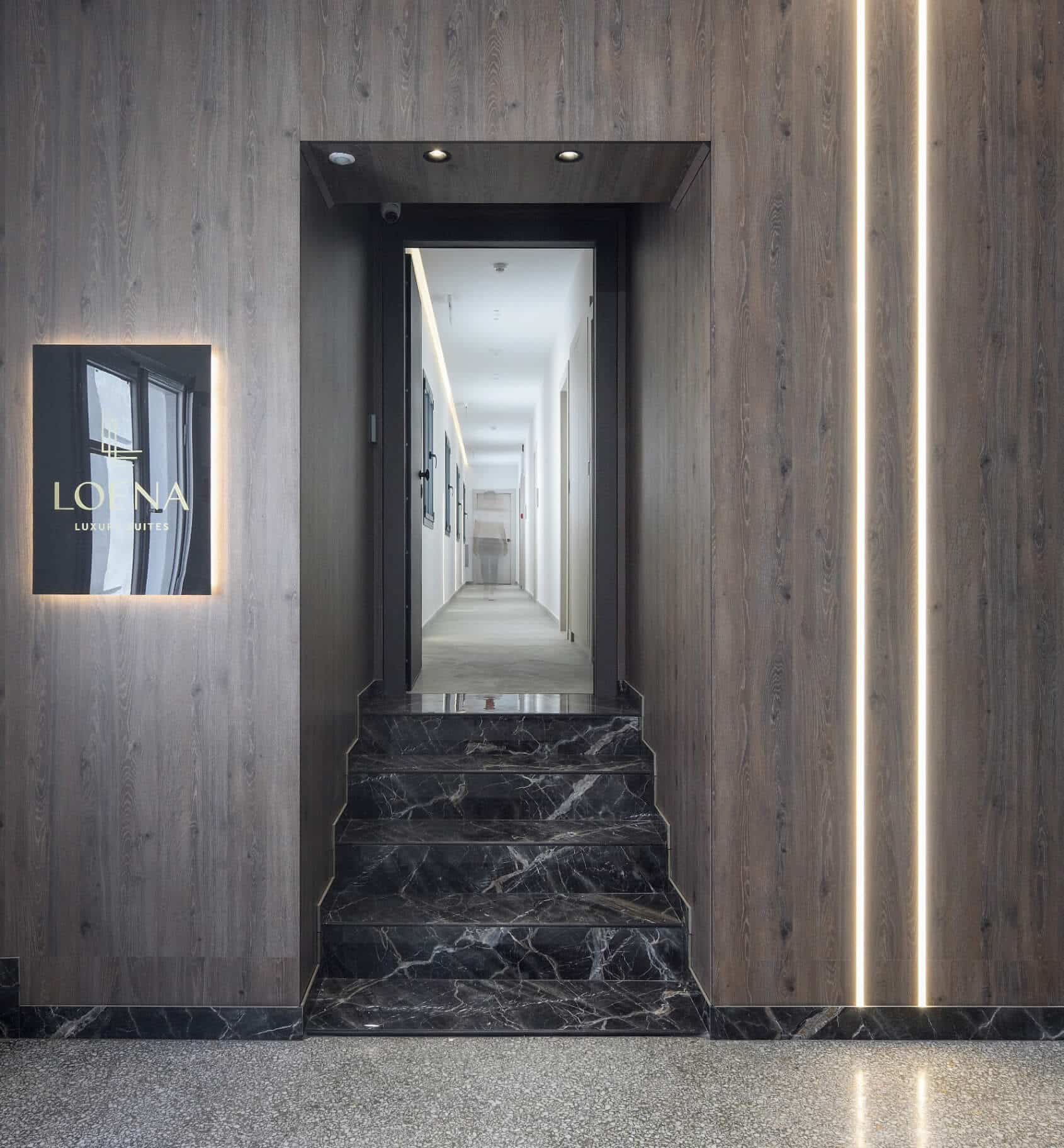
The last 500 metres are the part to plan. Ladadika's lanes are partly pedestrianised, with bollards and taverna terraces, and a satnav handed the street address will route you into one of them. Set the navigation to the partner garage. It sits 250 metres from the entrance, runs around the clock, and is charged separately at rates the garage itself sets, so ask us for the current one when you book. Street parking is not a plan. The municipal scheme in the centre runs Monday to Friday from 08:00 to 21:00 and Saturday from 09:00 to 16:00, and it caps a car at four hours in one sector before the driver has to move it elsewhere. Self check-in opens at 15:00, and we send the garage location and photographs of the entrance before you leave home.
Four to five hours for 293 kilometres. It is motorway except the stretch through the Kresna gorge, where traffic still uses the old two-lane road. The border adds nothing on an ordinary day, because there is no passport check at Kulata and Promachonas.
Is there still a border check between Bulgaria and Greece?
Not a systematic one. Bulgaria joined Schengen at its land borders on 1 January 2025, so Kulata to Promachonas stopped checking documents as a matter of routine. There is no stamp and no biometric registration on this crossing. Random police checks still happen, and an EU national identity card answers them.
Do I need a vignette for the Bulgarian side?
Yes, and it is bought against the plate on bgtoll.bg, in the app or at a point of sale. It covers motorways and first-class roads, so the old road through the Kresna gorge needs one too. Greece sells no vignette and charges at barrier stations instead.